
At the Headland Police Department, we believe that mental health is just as important as physical health. Supporting wellness inside our department and throughout our community is one of our top priorities. By addressing mental health with care and compassion, we build stronger officers, stronger families, and a stronger community.

Mental Health Coordinator
Investigator Bethany Hicks
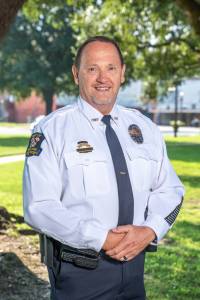
Mental Health Officer
Chief Mark Jones
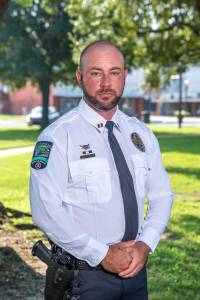
Mental Health Officer
Captain Michael Etress
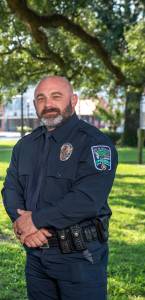
Mental Health Officer
Investigator Dusty Oswalt
Our Mental Health Officers
We are proud to have dedicated Mental Health Officers (MHOs) on our team. These officers receive specialized training in crisis intervention and de-escalation. Their role is to:
- Respond to Calls involving individuals experiencing a mental health crisis
- Connect individuals and families with resources and services
- Follow up to ensure people receive the help they need
Our Mental Health Officers are a vital link between law enforcement, individuals in crisis, and community services. Their work not only saves lives, but also strengthens the bond between our department and the community.
Supporting Our Officers
Police work can be challenging, and it takes a toll on the mind and body. That’s why we make officer wellness a priority:
- Wellness Check-ins: Regular opportunities for officers to speak confidentially about their mental health.
- Peer Support: A team of trained officers who are available to listen and offer support.
- Resources & Counseling: Access to professional, confidential meatal health services when needed.
- Ongoing Training: Our officers receive training to recognize stress, trauma, and burnout in themselves and their peers.
By Taking care of our own, we ensure that our officers are prepared to take care of the community.
Serving Our Community
Mental Health is a community-wide concern, and our department is here to help.
- Crisis Response: Our officers are trained to respond with compassion and de-escalation when someone is experiencing a mental health crisis.
- Partnership: We work closely with hospitals, counseling centers, and advocacy organizations to connect individuals with the help they need.
- Education & Outreach: Through school programs, community events, and public education efforts, we promote awareness about mental health, suicide prevention, and available resources.
When and How to Reach Out for Help
If you or someone you know is struggling with mental health challenges, help is available 24/7:
- Dial 988 – Connects you to the Suicide & Crisis Lifeline for immediate, confidential support.
- Dial 211 – Connects you to local community resources, including mental health services, housing assistance, and much more.
- In an Emergency – If someone’s life is in danger or a crisis is unfolding, dial 911 immediately.